




As soon as the days get shorter and the heat is turned on in homes again, colds, coughs, and sore throats become more common. This is no coincidence: The cold season brings with it a whole range of stressors that all affect the body at the same time.
Little daylight, cold air outside, dry, heated air inside, and spending a lot of time in crowded, enclosed spaces with other people—all of these factors come together during the fall and winter months, making cold and flu season a particular challenge for everyday life.
What Fall and Winter Mean for the Body
Less daylight means less energy. Shorter days disrupt the body's natural rhythm and affect energy levels and mood.
Cold air dries out the mucous membranes. Dry mucous membranes in the nose and throat make it easier for pathogens to take hold.
Heated air drastically reduces humidity. In heated rooms, humidity often drops below 30 percent—which puts additional strain on the mucous membranes.
Enclosed spaces increase exposure to pathogens. People who spend a lot of time in offices, on trains, or in crowded spaces are automatically exposed to more viruses and bacteria.
Less outdoor activity. The cold and darkness make it tempting to stay indoors—but a walk is good for you, even in winter.
Fluctuating temperatures put additional strain on the circulatory system. The sudden transition from cold outdoor air to overheated indoor spaces requires the body to constantly adjust.
Poorer air quality in bedrooms. People who keep their windows closed at night to stay warm breathe the same, often dry air for hours on end.
In addition, due to the cold season
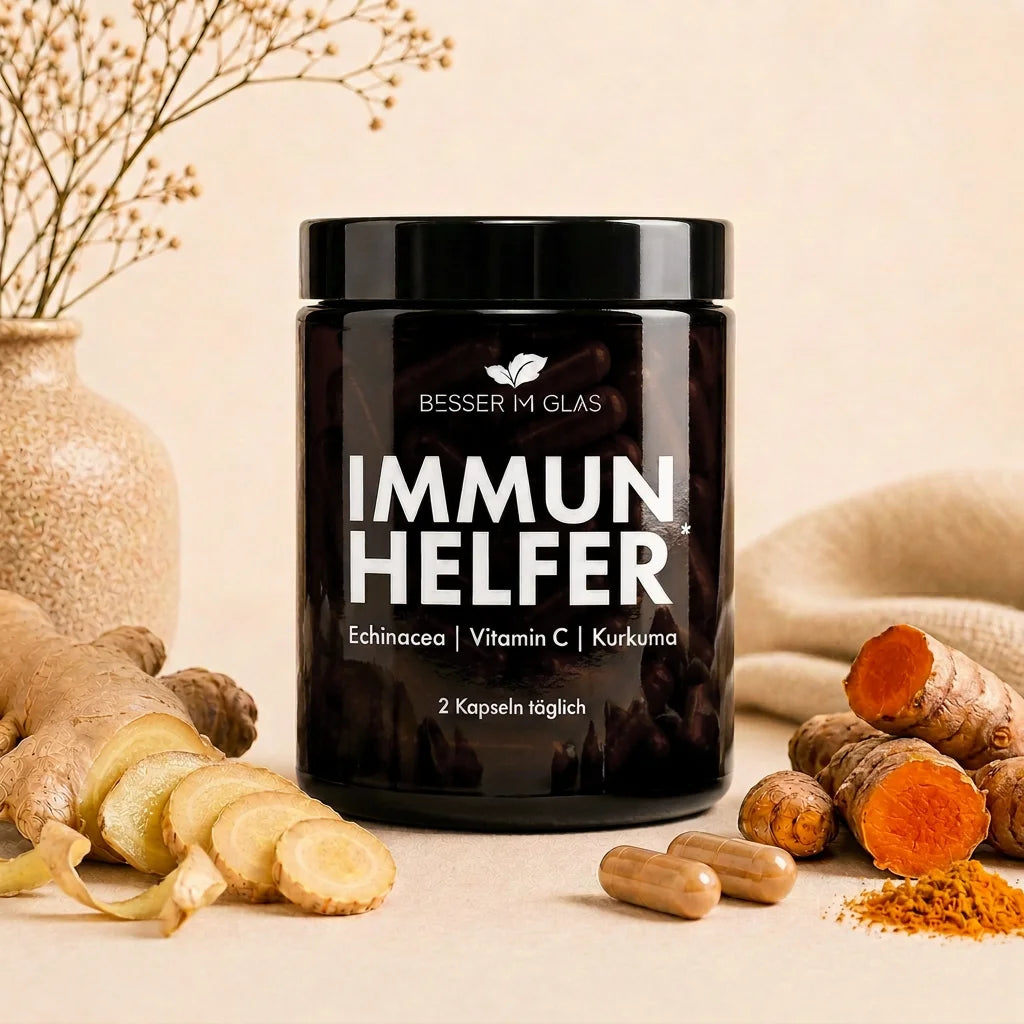
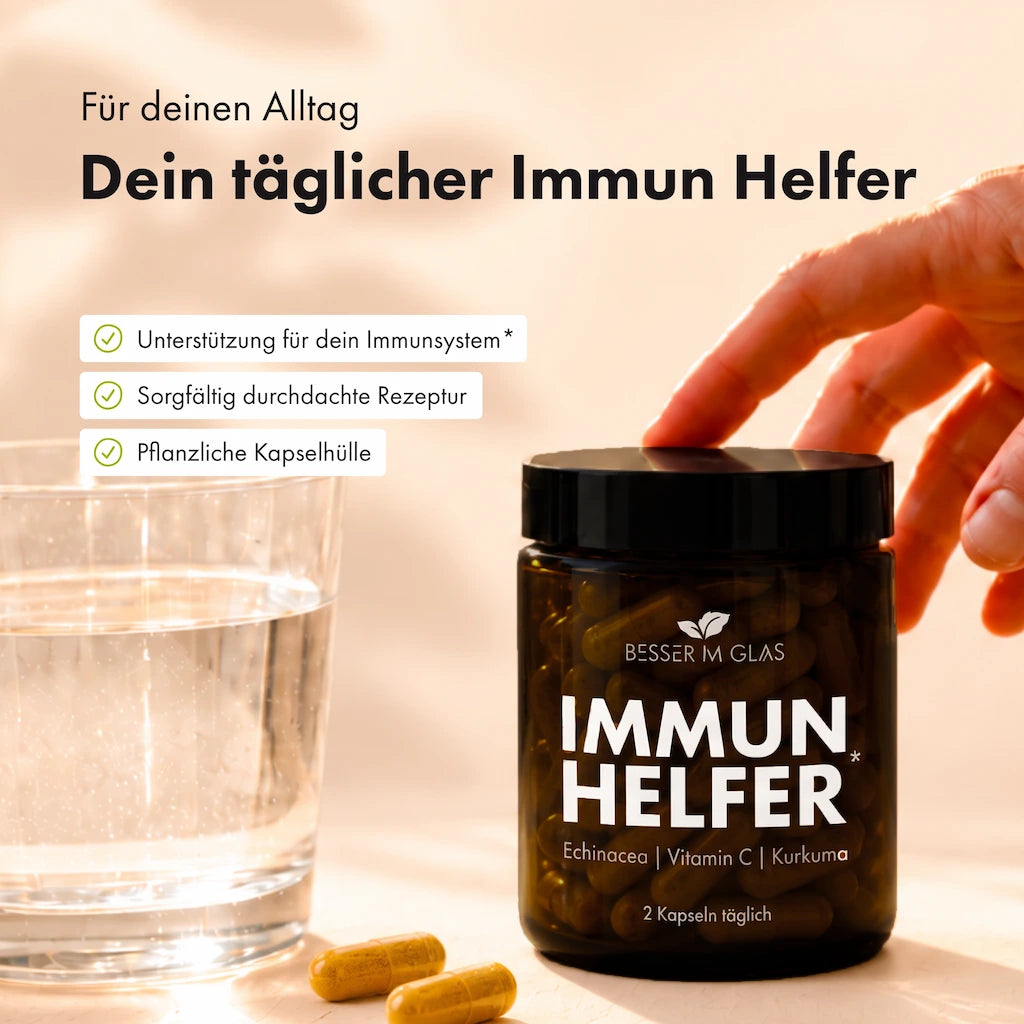
If you’re familiar with these stressors, you can take more conscious steps to counteract them: ventilate regularly, maintain adequate humidity, stay active outdoors even in winter, and maintain a steady sleep schedule despite the darkness. This is exactly where Immun Helfer comes in: It can help you consciously support your immune system*. It contains vitamin C, vitamin D, selenium, and zinc—four nutrients that can be easily incorporated into your routine with a daily dose. Especially when the days are short and dark, Immun Helfer is a constant in your daily routine that you can rely on—without having to make any major changes to your daily life.
Frequently Asked Questions
Why do more people get sick in the fall and winter?
Cold weather, dry air, limited daylight, and spending more time indoors with other people all coincide—which contributes to the spread of cold viruses.
It’s nearly impossible to completely avoid these circumstances in everyday life. That makes it all the more important to maintain a consistent routine that includes plenty of sleep, exercise, and a balanced diet—supplemented by a targeted dose of vitamins C and D, selenium, and zinc with Immun Helfer*
Does regular ventilation really help?
Yes, fresh air reduces the concentration of pathogens indoors and counteracts the dry air caused by heating. By establishing a few consistent habits—such as ventilating regularly, getting enough sleep, and following a consistent daily routine, like taking the daily Immune Booster*—you can make fall and winter a more relaxed time overall.
Is the winter sun enough to produce vitamin D?
Between October and March, the sun is so low in the sky in Germany that UVB radiation is barely sufficient for the body to produce vitamin D. During this time, the body draws on the reserves it built up during the summer.
*Vitamins C and D, selenium, and zinc contribute to the normal functioning of the immune system.